From Us

Thinking About Coffee With Erving Goffman
Coffee is one of the most widely consumed beverages on a global scale and is a multidimensional, cultural, social (and even political) phenomenon that goes beyond being just a beverage. With its historical origins in Ethiopia and the Arabian Peninsula, coffee has become a global product over time and has acquired unique meanings in different cultures. Today, coffee functions not only as a source of energy, flavour and beverage, but also as a means of socialisation, ritual transmission and identity expression.
According to 2023 world coffee consumption statistics, the countries with the highest coffee consumption are the USA, Brazil, Germany, Japan, France, Italy, Indonesia, Russia, Canada, Indonesia, Russia, Russia and Canada. Turkey ranks 22nd.
Our coffee consumption has increased 4 times in 10 years and although there is a decline in consumption, Turkish coffee is still the most consumed. The amount of coffee we import is 465 million dollars, of which 285 million dollars is from Brazil.
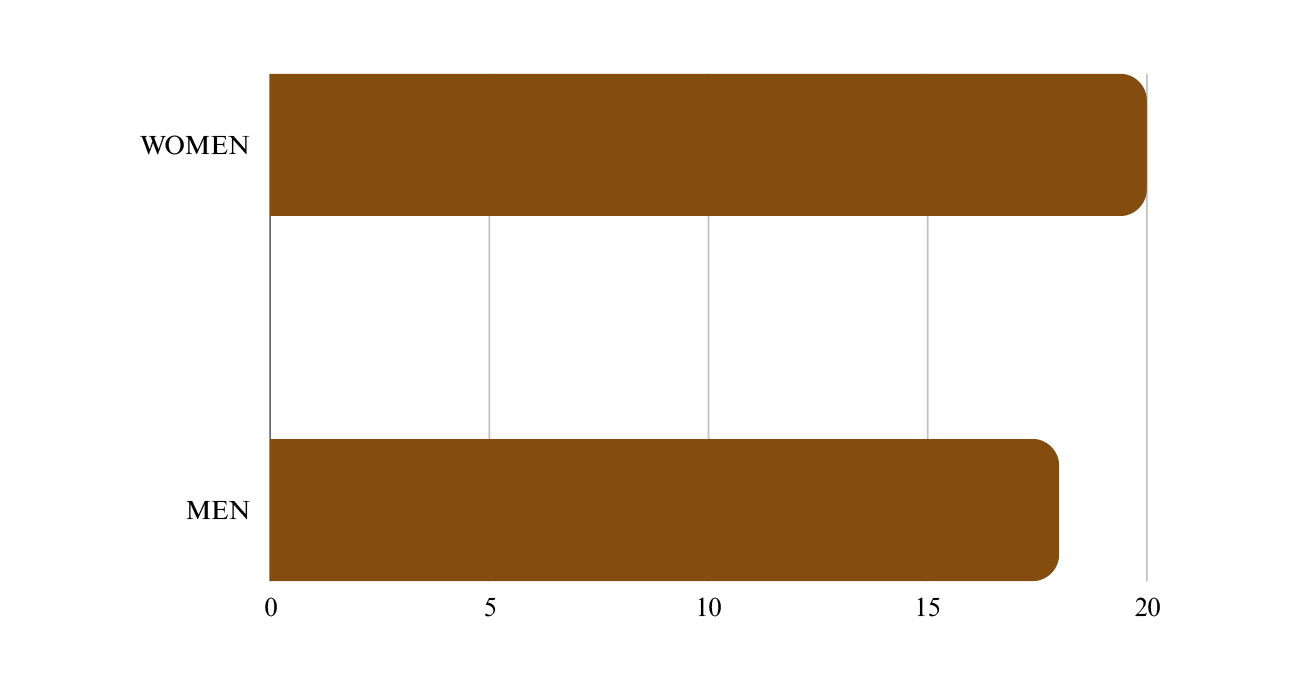
We wanted to analyse coffee from the sociology of everyday life. We tried to address issues such as the place of coffee in the social structure and its role in contemporary rituals and examined the meaning of coffee in modern societies. We also wondered about the guiding power of new generation coffeehouses and cafes on social practices and interactions as socialising spaces and the reflections of the economic value of coffee on social dynamics. In this context, we conducted in-depth interviews and focus group interviews consisting of 4 groups with 38 participants. The participants, 20 of whom were women and 18 of whom were men, ranged in age from 23 to 50 and all of them lived in Istanbul.
As a result of our research, we have reached findings on the nature of the meaning that participants attribute to coffee consumption and the performative appearance of coffee consumption rituals within social networks.
Although Turkish coffee, which is the traditional form of coffee in Turkey, is less preferred in new generation coffee places, Turkish coffee is still the first choice when there is ‘no choice’, and filter coffee is the second preferred type of coffee. Although the aim of the research does not include statistical data on the consumption scale of coffee types, it is clearly seen that when there is indecision between the new generation options; the traditional, ‘risk-free’ one is preferred.

Erving Goffman
Erving Goffman explained daily social relations by likening them to a theatre stage and examined how individuals take roles in their daily interactions and through which symbols they present their identities.
According to Goffman, people exhibit a kind of ‘performance’ in social interactions and assume certain ‘roles’ during these performances.
We tried to analyse coffee consumption from Goffman's perspective.
When viewed through Goffman's lens, coffee consumption can be considered not only as an option to satisfy a physiological need according to taste, but also as part of a social performance. Drinking coffee in cafés or coffee houses can be considered as a ‘stage’ on which individuals display their social identity and status. For example, going to a particular coffee chain or preferring a particular type of coffee may be a way of conveying a message to one's social environment, which is what our research finding points to.
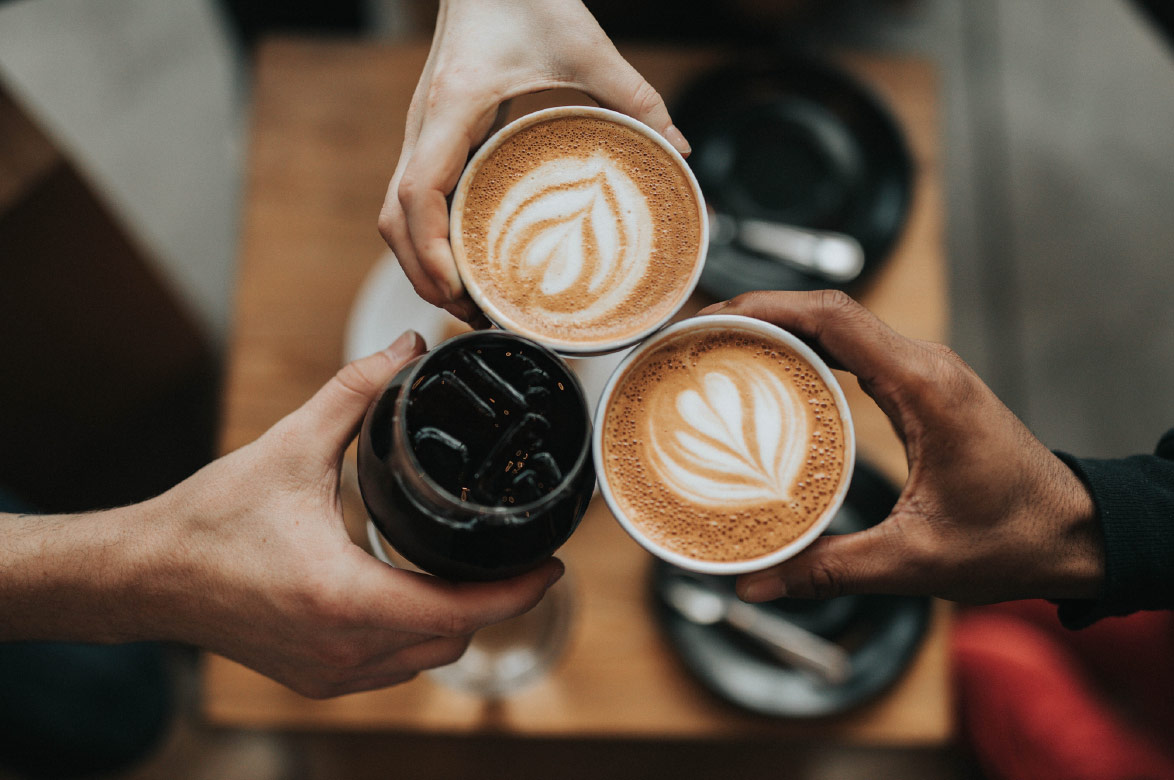
The performance of coffee consumption was matched with the participants' concern to convey a message to the social network they were in or wanted to be in / participate in, or the motivation to be included in the habitus of the network, and all of our participants agreed on this issue.
The state of consciousness in the participants' motivation to perform pointed to an important point. One participant summarised the emphasis on the consciousness of performing according to the habitus of coffee consumption venues, even without a conceptual definition, as follows:
“There is a place, even the words I will use in that place are in my mind like a list. These are words I don't use in my normal daily life. I don't need them at all, but when I use those words there, I even know how to use them. It makes me feel powerful. Coffee is an excuse.”
Coffee drinking rituals reflect how people present their identities and conform to social expectations in the micro-interactions of their daily lives. The interaction order is the set of rules and expectations that determine how people treat each other in face-to-face interactions. Coffee consumption can be seen as a part of this interaction order. The practices of the social status or class to which one belongs can be performed, or participation in the interaction order can be achieved through conscious ‘stage performances’ with the motivation of inclusion.
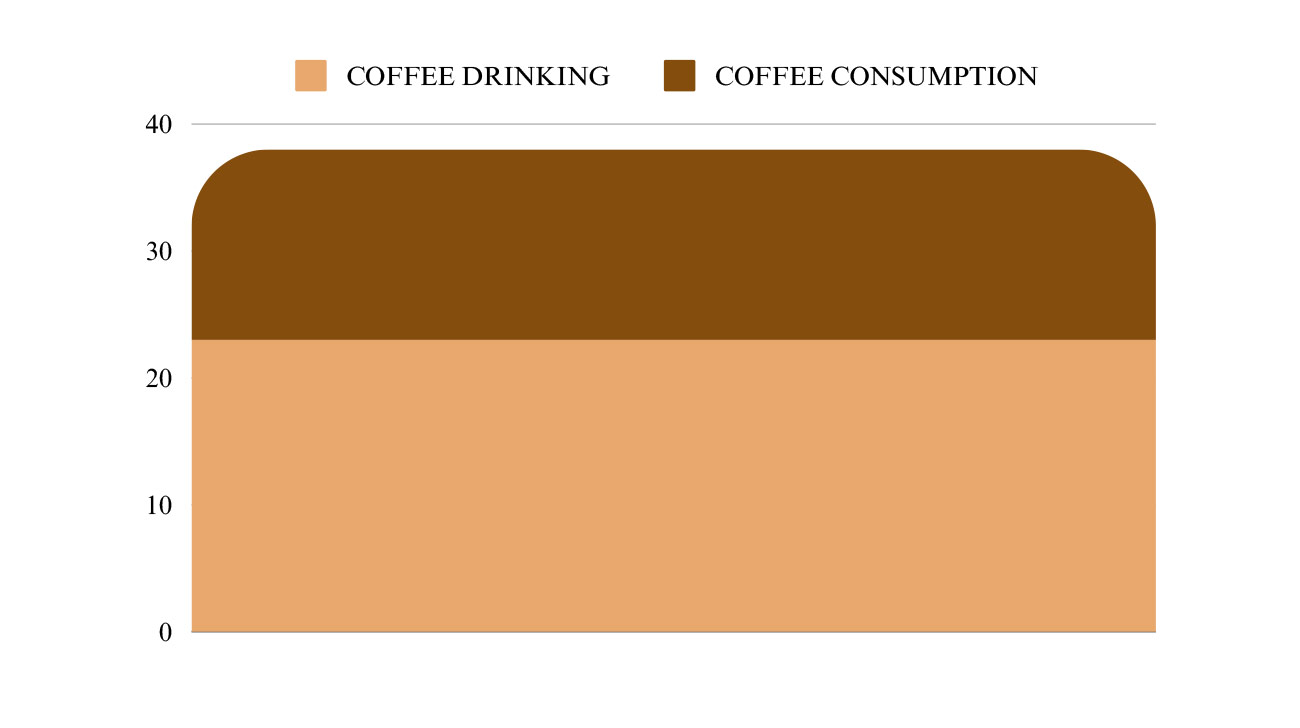
Coffee drinking and coffee consumption are positioned separately. We asked the participants to write either ‘coffee consumption’ or ‘coffee drinking’ under the two different coffee images shown, and then asked them what topics they talked about with the people next to them while ‘drinking’ or ‘consuming’ coffee. Coffee drinking (23 respondents) was defined by Turkish Coffee, while coffee consumption (15 respondents) was defined by the visual of a stylish new generation coffee shop. In the visual of the new generation coffee shop, conversations about the daily routines of their current social and class position were paired with the drinking of Turkish Coffee, while conversations about life plans to escape from daily routines, economic or social diffculties were paired with the visual of the new generation coffee shop.
Almost all of the plans are individual. “I am very comfortable talking about the mobbing I experienced at work because of my sexual identity with my friends at home, sometimes I get angry and cry. But if we go out for coffee, we talk more about how to go abroad, how to find a job there, I feel a little stronger... I can think of more comfortable living conditions as coffee outside and my anger as coffee at home.” Returning to Gofmann, in these attitudes of the participants, the ‘front stage’ can be considered as consuming coffee in public space and the ‘back stage’ as drinking Turkish coffee, and the impression can be managed with new strategies in this framework.

Findings of the Research
It can be interpreted that the social interaction strategies established through coffee are - at the same time - suitable for the construction of social identity and status. Through in-depth analyses of interaction patterns, important points can be touched upon and insights can be generated on how performances that are seen as ordinary can shape the social structure. Critical insights can be gained on how social norms can be produced or reproduced through symbolic interaction networks established through the object without any ‘visible’ guidance.
Coffee is an influential element in a wide range of societies, from their daily life practices to their economic structure. In this context, a sociological analysis of coffee can be considered as an important tool that will contribute to the understanding of the modern world, global culture, social classes and strata.